Thinking about upgrading your business operations? ERP project management services might be the game-changer you need. From streamlining workflows to boosting ROI, these services deliver powerful results when implemented right.
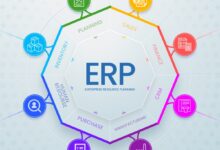
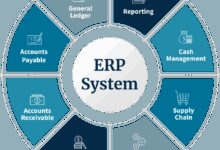

What Are ERP Project Management Services?

Enterprise Resource Planning (ERP) project management services involve the strategic planning, coordination, and execution of ERP system implementations across organizations. These services ensure that ERP deployments—whether cloud-based, on-premise, or hybrid—are completed on time, within budget, and aligned with business goals. Rather than just installing software, ERP project management focuses on managing people, processes, technology, and change throughout the lifecycle of an ERP initiative.
Core Components of ERP Project Management
Successful ERP project management relies on several interconnected components that work together to ensure a smooth implementation. These include scope definition, resource allocation, risk assessment, timeline management, and stakeholder communication. Each plays a vital role in guiding the project from concept to completion.
- Scope definition ensures the project stays focused on key business objectives.
- Resource allocation involves assigning skilled personnel, budget, and tools effectively.
- Risk assessment identifies potential roadblocks early, such as data migration issues or user resistance.
Key Roles in ERP Project Teams
An ERP project team typically includes a project manager, business analysts, IT specialists, functional consultants, and executive sponsors. The project manager leads the initiative, coordinates tasks, and tracks progress. Business analysts translate operational needs into system requirements. IT teams handle technical integration and data security, while functional consultants—often from the ERP vendor or a third-party provider—configure modules like finance, HR, or supply chain.
“A well-managed ERP project isn’t just about technology—it’s about aligning people, processes, and systems to drive business transformation.” — Gartner Research
Why ERP Project Management Services Are Essential
ERP implementations are notoriously complex. According to Panorama Consulting, nearly 60% of ERP projects exceed their initial budget, and 43% take longer than expected. This is where professional ERP project management services come in. They provide the structure, expertise, and oversight needed to avoid common pitfalls and deliver measurable value.
Reducing Implementation Risks
One of the primary reasons companies hire ERP project management services is to reduce risk. Without proper oversight, projects can suffer from scope creep, poor data quality, or inadequate user training. Professional managers use proven methodologies—like Agile or Waterfall—to maintain control and adapt to challenges. They also conduct regular audits and milestone reviews to keep the project on track.
- Regular risk assessments minimize unexpected delays.
- Change control processes prevent unapproved modifications.
- Compliance checks ensure adherence to industry regulations.
Ensuring Alignment with Business Goals
ERP systems are only as effective as their alignment with organizational strategy. Project management services help bridge the gap between IT and business units by ensuring that system configurations support real-world operations. For example, a manufacturing company might prioritize inventory tracking and production scheduling, while a service-based firm may focus on time billing and resource allocation. A skilled project manager ensures these priorities are reflected in the ERP design.
Top 7 Benefits of ERP Project Management Services
Investing in ERP project management services isn’t just about avoiding failure—it’s about maximizing success. When done right, these services deliver transformative benefits that extend far beyond the IT department. Here are seven powerful advantages that organizations gain from professional ERP project oversight.
1. Faster Time-to-Value
One of the most significant benefits is accelerated time-to-value. With expert project managers leading the charge, implementation timelines are optimized. They use best practices, reusable templates, and experienced teams to reduce setup time. For instance, companies using SAP S/4HANA with professional project management report going live 30% faster than those managing internally (SAP Insights).
- Phased rollouts allow quick wins and early ROI.
- Parallel testing reduces downtime during go-live.
- Pre-configured industry solutions speed up deployment.
2. Improved Budget Control
ERP projects often spiral out of control financially without proper management. Project management services provide detailed cost forecasting, budget tracking, and financial reporting. They identify cost-saving opportunities, such as cloud licensing models or phased investments, and prevent overspending on unnecessary customizations.
“Organizations that use external ERP project management services report 22% lower total cost of ownership over five years.” — Nucleus Research
3. Higher User Adoption Rates
No matter how advanced an ERP system is, it won’t deliver value if employees don’t use it. ERP project management services include comprehensive change management strategies—training programs, communication plans, and user feedback loops—that increase adoption. For example, Microsoft Dynamics 365 implementations with structured change management see adoption rates above 85% (Microsoft Learn).
- Role-based training ensures relevance and engagement.
- Super-user programs create internal champions.
- Ongoing support reduces post-go-live frustration.
How ERP Project Management Services Improve Implementation Success
The success of an ERP implementation hinges on more than just software selection. It depends on how well the project is managed from kickoff to post-launch optimization. ERP project management services apply structured frameworks and industry best practices to increase the likelihood of success.
Use of Proven Methodologies
Professional ERP project managers employ established implementation methodologies such as ASAP (Accelerated SAP), Oracle AIM, or Microsoft Sure Step. These frameworks break the project into clear phases: discovery, design, build, test, deploy, and support. Each phase has defined deliverables, checkpoints, and approval gates, ensuring accountability and transparency.
- ASAP methodology reduces SAP implementation time by up to 40%.
- Agile approaches allow iterative improvements based on user feedback.
- Hybrid models combine Waterfall planning with Agile execution for flexibility.
Stakeholder Engagement and Communication
One of the biggest causes of ERP failure is poor communication. ERP project management services establish regular reporting cadences, executive dashboards, and cross-functional meetings to keep everyone informed. They also manage expectations by setting realistic timelines and celebrating milestones.
“Projects with strong stakeholder engagement are 2.5x more likely to succeed.” — Project Management Institute (PMI)
Choosing the Right ERP Project Management Partner
Not all ERP project management services are created equal. Selecting the right partner can make the difference between a smooth rollout and a costly disaster. Organizations must evaluate potential providers based on experience, industry expertise, and service offerings.
Key Selection Criteria
When evaluating ERP project management firms, consider the following factors:
- Industry Experience: Does the firm have a track record in your sector (e.g., manufacturing, healthcare, retail)?
- Certifications: Are their consultants certified by major ERP vendors like Oracle, SAP, or Infor?
- Implementation Methodology: Do they use a structured, repeatable process?
- Client References: Can they provide case studies or testimonials?
- Support Model: Do they offer post-go-live support and optimization services?
A provider like Deloitte or PwC, for example, combines deep ERP expertise with global delivery capabilities (Deloitte ERP Services).
Red Flags to Watch For
Be cautious of vendors who promise unrealistic timelines, avoid discussing risks, or lack transparency in pricing. Other warning signs include:
- No formal project plan or timeline.
- Reluctance to involve your team in decision-making.
- Over-reliance on custom code instead of standard functionality.
These often indicate a lack of experience or a one-size-fits-all approach that could jeopardize your project.
Common Challenges in ERP Projects and How Management Services Help
Even well-planned ERP initiatives face obstacles. However, professional ERP project management services are designed to anticipate and overcome these challenges before they derail the project.
Data Migration Complexity
Migrating legacy data into a new ERP system is one of the most technically challenging aspects. Incomplete, inconsistent, or duplicate data can lead to system errors and user distrust. Project management services include data cleansing, mapping, and validation processes to ensure high-quality migration.
- Data profiling tools identify anomalies before migration.
- Test migrations validate accuracy and performance.
- Master data management (MDM) strategies ensure consistency across systems.
Resistance to Change
Employees often resist new systems due to fear of job loss, increased workload, or unfamiliar interfaces. ERP project management services address this through change management plans that include training, leadership involvement, and continuous communication.
“Organizations that invest in change management are 6x more likely to meet project objectives.” — Prosci
Future Trends in ERP Project Management Services
The landscape of ERP project management is evolving rapidly due to advances in technology and shifting business needs. Staying ahead of these trends ensures that your ERP investment remains relevant and scalable.
Rise of AI and Automation
Artificial intelligence is transforming ERP project management by automating routine tasks like data entry, report generation, and risk prediction. AI-powered analytics can forecast project delays, recommend resource adjustments, and even simulate outcomes based on different scenarios.
- Chatbots provide real-time support during implementation.
- Predictive analytics identify potential bottlenecks.
- Machine learning improves system configuration over time.
Cloud-First and Hybrid Deployments
More organizations are adopting cloud-based ERP systems like Oracle Cloud ERP or NetSuite. Project management services now focus on cloud migration strategies, security compliance, and integration with existing on-premise systems. Hybrid models require careful orchestration to ensure seamless data flow and user experience.
“By 2025, over 80% of new ERP implementations will be cloud-based.” — IDC
Measuring the Success of ERP Project Management Services
How do you know if your ERP project management services delivered value? Success should be measured using both quantitative and qualitative metrics that reflect business impact.
Key Performance Indicators (KPIs)
Common KPIs for evaluating ERP project success include:
- On-Time Delivery: Percentage of milestones completed on schedule.
- Budget Adherence: Actual spend vs. forecasted budget.
- User Adoption Rate: Percentage of employees actively using the system.
- Process Efficiency Gains: Reduction in cycle times (e.g., order-to-cash).
- ROI: Financial return within 12–24 months post-implementation.
For example, a study by Panorama Consulting found that companies with strong project management achieved 2.3x higher ROI than those without (Panorama ERP Report).
Post-Implementation Reviews
A formal post-implementation review (PIR) is a critical step in measuring success. It evaluates what went well, what didn’t, and how future projects can improve. This retrospective analysis helps refine internal processes and strengthens vendor relationships.
- Stakeholder feedback is collected through surveys and interviews.
- System performance is benchmarked against initial goals.
- Lessons learned are documented for future reference.
What are ERP project management services?
ERP project management services are professional consulting offerings that guide organizations through the planning, execution, and optimization of ERP system implementations. They cover project planning, resource management, risk mitigation, change management, and post-go-live support to ensure successful deployment.
Why do ERP projects fail without proper management?
ERP projects often fail due to poor planning, lack of stakeholder engagement, inadequate budgeting, and resistance to change. Without professional project management, these issues go unaddressed, leading to delays, cost overruns, and low user adoption.
How much do ERP project management services cost?
Costs vary based on project size, complexity, and provider. Small to mid-sized implementations may range from $50,000 to $200,000, while large enterprise projects can exceed $1 million. Many firms offer fixed-fee or time-and-materials pricing models.
Can ERP project management services help with cloud migrations?
Yes, most modern ERP project management services specialize in cloud migrations, including data transfer, security configuration, integration with existing tools, and user training for cloud-based platforms like SAP S/4HANA Cloud or Oracle ERP Cloud.
What’s the difference between ERP consulting and project management?
ERP consulting focuses on system selection, process design, and technical configuration, while ERP project management oversees the entire implementation lifecycle—timeline, budget, team coordination, and risk management. Both are often provided together for comprehensive support.
ERP project management services are no longer a luxury—they’re a necessity for organizations aiming to implement ERP systems successfully. From reducing risks and controlling costs to improving user adoption and driving ROI, these services provide the strategic oversight needed to turn complex technology projects into business transformations. As ERP systems become more integrated with AI, cloud platforms, and real-time analytics, the role of professional project management will only grow in importance. By choosing the right partner and measuring success effectively, businesses can unlock the full potential of their ERP investments.
Further Reading:
