Replacing a legacy ERP system isn’t just an IT upgrade—it’s a business transformation. Done right, it can boost efficiency, improve data accuracy, and future-proof your operations. But without a solid strategy, it can become a costly, time-consuming nightmare. Let’s dive into how to make your legacy ERP system replacement a resounding success.
Understanding Legacy ERP System Replacement
Before jumping into the replacement process, it’s essential to understand what a legacy ERP system truly is and why replacing it is often necessary. Many organizations still rely on decades-old ERP platforms that were once cutting-edge but now hinder agility, scalability, and integration with modern tools.
What Is a Legacy ERP System?
A legacy ERP system refers to outdated enterprise resource planning software that has been in use for many years—often 10, 15, or even 20+ years. These systems were typically built on older technologies, such as monolithic architectures, on-premise servers, and proprietary databases.
- They often lack support from vendors or developers.
- Integration with modern cloud-based applications is limited or non-existent.
- User interfaces are clunky and not mobile-friendly.
- Customizations have piled up over time, making upgrades risky.
“A legacy ERP system isn’t just old software—it’s a ticking time bomb for innovation.” — Gartner Research
Why Replace a Legacy ERP System?
Businesses don’t replace ERP systems just for the sake of change. The decision usually stems from operational inefficiencies, security risks, or strategic growth goals. Key drivers include:
- Outdated Technology: Older systems run on obsolete programming languages and databases, making them incompatible with modern tools.
- High Maintenance Costs: Supporting legacy systems often requires specialized (and expensive) IT staff.
- Lack of Scalability: As businesses grow, legacy ERPs struggle to handle increased transaction volumes or new business units.
- Poor User Experience: Employees waste time navigating complex workflows, leading to low adoption and errors.
- Security Vulnerabilities: Many legacy systems no longer receive security patches, exposing data to cyber threats.
According to a Gartner report, over 60% of mid-sized enterprises are planning or undergoing a legacy ERP system replacement by 2025 due to digital transformation pressures.
Signs You Need a Legacy ERP System Replacement
Not every aging ERP system needs immediate replacement. However, certain red flags indicate that your current platform is holding your business back.
legacy erp system replacement – Legacy erp system replacement menjadi aspek penting yang dibahas di sini.
Frequent System Downtime and Crashes
If your ERP system regularly crashes during peak hours or fails under moderate load, it’s a sign of architectural weakness. Legacy systems often lack fault tolerance and redundancy, leading to unplanned outages that disrupt operations.
- Increased downtime affects order processing, inventory management, and customer service.
- Recovery times are slow due to lack of automated backups or disaster recovery protocols.
- IT teams spend more time firefighting than innovating.
Inability to Integrate with Modern Tools
Today’s business environment demands seamless integration between ERP, CRM, e-commerce platforms, and analytics tools. If your legacy ERP can’t connect with these systems via APIs or middleware, you’re operating in silos.
- Data must be manually exported and re-entered, increasing error rates.
- Real-time reporting is impossible without third-party workarounds.
- Automation initiatives (like robotic process automation) fail due to lack of system interoperability.
For example, a manufacturer using a legacy ERP might struggle to sync production data with a modern IoT platform, missing out on predictive maintenance insights.
Vendor Support Has Been Discontinued
When a software vendor ends support for an ERP version, it means no more security updates, bug fixes, or technical assistance. This puts your organization at significant risk.
- Compliance with regulations like GDPR or HIPAA becomes harder.
- Any customization or patch must be done in-house, increasing costs.
- Future audits may flag unsupported software as a control deficiency.
Oracle, for instance, ended support for several versions of its E-Business Suite, pushing companies toward cloud migration. Learn more at Oracle’s Lifetime Support Policy.
The Business Case for Legacy ERP System Replacement
Replacing a legacy ERP isn’t just a technical project—it’s a strategic investment. Building a strong business case ensures executive buy-in and justifies the budget required.
legacy erp system replacement – Legacy erp system replacement menjadi aspek penting yang dibahas di sini.
Calculating Total Cost of Ownership (TCO)
Many organizations underestimate the true cost of maintaining a legacy ERP. The TCO includes not only licensing and hardware but also:
- Ongoing maintenance contracts
- Custom development and patching
- IT labor dedicated to system upkeep
- Opportunity costs from lost productivity
- Risk mitigation expenses (e.g., data breaches)
A McKinsey study found that companies spend up to 70% of their IT budget on maintaining legacy systems, leaving only 30% for innovation. By replacing a legacy ERP, businesses can reverse this ratio.
Measuring Potential ROI
Return on Investment (ROI) should be quantified across multiple dimensions:
- Operational Efficiency: Automating manual processes can save hundreds of labor hours annually.
- Improved Decision-Making: Real-time dashboards and AI-driven analytics enhance forecasting accuracy.
- Revenue Growth: Faster order-to-cash cycles and better inventory management increase sales capacity.
- Customer Satisfaction: Integrated CRM and service modules improve response times and personalization.
“Companies that replaced their legacy ERP saw an average 25% improvement in process efficiency within 12 months.” — Deloitte Insights
Gaining Executive Buy-In
Securing leadership support requires translating technical benefits into business outcomes. Focus on KPIs that matter to executives:
- Reduced operational costs
- Faster time-to-market
- Enhanced compliance and risk management
- Scalability for mergers or global expansion
Present a phased roadmap showing short-term wins (e.g., improved reporting) and long-term transformation (e.g., AI-powered supply chain optimization).
Choosing the Right Modern ERP Solution
Not all ERP systems are created equal. The market offers a wide range of options—from cloud-native platforms to hybrid models. Selecting the right one depends on your industry, size, and strategic goals.
legacy erp system replacement – Legacy erp system replacement menjadi aspek penting yang dibahas di sini.
Cloud vs. On-Premise vs. Hybrid ERP
One of the first decisions in a legacy ERP system replacement is deployment model:
- Cloud ERP: Hosted by the vendor (e.g., NetSuite, SAP S/4HANA Cloud). Offers lower upfront costs, automatic updates, and global accessibility.
- On-Premise ERP: Installed locally. Provides full control but higher infrastructure and maintenance costs.
- Hybrid ERP: Combines both models, useful for organizations with regulatory constraints or existing investments in on-premise systems.
According to IDC, cloud ERP adoption grew by 18% in 2023, driven by remote work and digital agility needs.
Key Features to Look For
Modern ERP systems should offer more than basic accounting and inventory. Prioritize platforms with:
- Real-time analytics and embedded AI
- Mobile access and responsive design
- Pre-built integrations with popular tools (e.g., Salesforce, Shopify)
- Scalable architecture for future growth
- Strong security and compliance certifications (e.g., SOC 2, ISO 27001)
For example, Microsoft Dynamics 365 Business Central offers AI-driven forecasting and seamless integration with Office 365, making it ideal for mid-sized businesses.
Vetting Vendors and Requesting Demos
Don’t rely solely on marketing materials. Conduct thorough vendor evaluations:
- Request live demonstrations tailored to your business processes.
- Ask for customer references in your industry.
- Evaluate implementation timelines and partner ecosystems.
- Review pricing models—watch out for hidden fees in cloud subscriptions.
SAP, Oracle, Infor, and Workday are among the top vendors offering robust solutions for legacy ERP system replacement. Compare them at Capterra’s ERP Comparison Tool.
legacy erp system replacement – Legacy erp system replacement menjadi aspek penting yang dibahas di sini.
Planning and Executing the Legacy ERP System Replacement
A successful replacement hinges on meticulous planning. Rushing into implementation without a clear roadmap leads to budget overruns and employee resistance.
Assembling the Right Project Team
Your ERP replacement team should include:
- Project Manager: Oversees timelines, budgets, and deliverables.
- Business Process Owners: Represent departments like finance, HR, and supply chain.
- IT Architects: Handle integration, data migration, and security.
- Change Management Lead: Manages training and user adoption.
- Executive Sponsor: Provides authority and resolves roadblocks.
According to PMI, projects with dedicated change management leads are 50% more likely to meet their goals.
Data Migration Strategies
Data is the lifeblood of any ERP system. Migrating from a legacy ERP requires careful cleansing, mapping, and validation.
- Identify which data to migrate (e.g., active customers, open orders) vs. archive.
- Cleanse data to remove duplicates, inconsistencies, and outdated records.
- Map legacy fields to new ERP fields using ETL (Extract, Transform, Load) tools.
- Conduct test migrations and validate results with business users.
One manufacturing client lost $2M in revenue due to incorrect inventory data migration. Always run parallel testing before go-live.
Phased vs. Big Bang Implementation
Two primary approaches exist:
legacy erp system replacement – Legacy erp system replacement menjadi aspek penting yang dibahas di sini.
- Big Bang: Switch over all modules and locations at once. High risk but fast.
- Phased: Roll out by module (e.g., finance first) or geography. Lower risk, longer timeline.
For complex organizations, a phased approach is recommended. A global retailer successfully replaced its legacy ERP over 18 months by rolling out regionally, minimizing disruption.
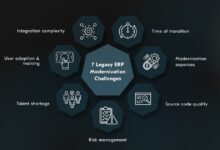
Overcoming Common Challenges in Legacy ERP System Replacement
Even well-planned projects face obstacles. Anticipating these challenges helps you mitigate risks early.
Resistance to Change from Employees
Employees accustomed to the old system may resist learning a new interface. This can lead to low adoption and workarounds.
- Involve end-users early in the design process.
- Provide hands-on training and super-users in each department.
- Communicate benefits clearly—e.g., “This new system will cut your monthly reporting time from 10 hours to 2.”
“People don’t resist change; they resist being changed.” — Peter Senge
Customization Debt from the Old System
Legacy ERPs often have years of custom code and patches. Simply replicating these in the new system defeats the purpose of modernization.
- Conduct a “process rationalization” workshop to identify which customizations are truly needed.
- Standardize processes where possible to leverage out-of-the-box functionality.
- Document all changes for audit and compliance purposes.
A financial services firm reduced its post-migration issues by 60% by eliminating 80% of unnecessary customizations.
Budget and Timeline Overruns
ERP replacements often exceed initial estimates. A 2022 KPMG report found that 45% of ERP projects go over budget, with an average overrun of 32%.
legacy erp system replacement – Legacy erp system replacement menjadi aspek penting yang dibahas di sini.
- Build contingency (15–20%) into your budget.
- Use agile project management to track progress weekly.
- Set clear milestones and success criteria for each phase.
Regular stakeholder reviews help catch issues before they escalate.
Post-Implementation Optimization and Continuous Improvement
Go-live is not the end—it’s the beginning of optimization. Many organizations fail to realize the full value of their new ERP because they stop investing after deployment.
Monitoring System Performance and User Adoption
Track key metrics post-implementation:
- System uptime and response times
- User login frequency and module usage
- Number of support tickets related to the ERP
- Process cycle times (e.g., order fulfillment)
Use dashboards to visualize adoption trends and identify departments needing additional training.
Leveraging Advanced Features Over Time
Modern ERPs come with powerful features that can be rolled out incrementally:
- AI-powered forecasting and anomaly detection
- Blockchain for supply chain transparency
- Advanced analytics and predictive maintenance
- Self-service portals for employees and customers
Start with core functionality, then enable advanced modules as teams become comfortable.
legacy erp system replacement – Legacy erp system replacement menjadi aspek penting yang dibahas di sini.
Establishing a Center of Excellence (CoE)
A CoE is a dedicated team that ensures ongoing ERP value realization. Responsibilities include:
- Managing upgrades and patches
- Providing internal training and support
- Driving process improvements using ERP data
- Coordinating with vendors and consultants
Companies with a CoE report 30% higher ERP satisfaction and ROI.
Real-World Case Studies of Successful Legacy ERP System Replacement
Learning from others’ experiences can guide your own journey.
Manufacturing: Global Automotive Supplier
A Tier-1 automotive supplier replaced a 20-year-old SAP R/3 system with SAP S/4HANA Cloud. The legacy ERP couldn’t handle real-time production data from smart factories.
- Implemented in phases across 12 plants.
- Migrated 15 years of transactional data with 99.8% accuracy.
- Reduced month-end closing from 10 days to 2.
- Enabled IoT integration for predictive maintenance.
Read the full case study at SAP Customer Stories.
Retail: National Fashion Chain
A retail chain running a legacy Oracle E-Business Suite struggled with inventory inaccuracies and slow e-commerce integration.
legacy erp system replacement – Legacy erp system replacement menjadi aspek penting yang dibahas di sini.
- Migrated to NetSuite ERP with omnichannel capabilities.
- Unified online and in-store inventory in real time.
- Reduced stockouts by 40% and improved customer satisfaction.
- Enabled same-day shipping from stores.
The project paid for itself within 18 months through reduced markdowns and improved sales.
Healthcare: Regional Hospital Network
A hospital network using a custom-built ERP faced compliance risks and inefficient billing processes.
- Adopted Epic ERP, integrated with EHR systems.
- Automated insurance claims processing, reducing denials by 25%.
- Improved patient billing transparency and payment collection.
- Achieved HIPAA and SOC 2 compliance.
The new system also supported telehealth expansion during the pandemic.
What are the risks of not replacing a legacy ERP system?
Not replacing a legacy ERP system exposes your organization to security vulnerabilities, high maintenance costs, operational inefficiencies, and inability to scale. It can also hinder compliance, damage customer experience, and prevent integration with modern technologies like AI and IoT.
How long does a legacy ERP system replacement typically take?
legacy erp system replacement – Legacy erp system replacement menjadi aspek penting yang dibahas di sini.
A legacy ERP system replacement can take anywhere from 6 months to 3 years, depending on the organization’s size, complexity, data volume, and implementation approach. Small businesses may complete it in 6–12 months, while large enterprises often require 18–36 months for a phased rollout.
What is the average cost of replacing a legacy ERP system?
Costs vary widely: small businesses may spend $50,000–$200,000, mid-sized companies $200,000–$1M, and large enterprises $1M–$10M+. Costs include software licensing, implementation, data migration, training, and change management. Cloud solutions typically have lower upfront costs but ongoing subscription fees.
Can I migrate data from my old ERP to a new system safely?
Yes, data migration is possible and common, but it requires careful planning. Best practices include data cleansing, field mapping, test migrations, and validation with business users. Using ETL tools and involving data stewards ensures accuracy and integrity during the legacy ERP system replacement process.
How do I ensure user adoption after replacing my ERP?
legacy erp system replacement – Legacy erp system replacement menjadi aspek penting yang dibahas di sini.
Ensure user adoption by involving employees early, providing role-based training, appointing super-users, communicating benefits clearly, and gathering feedback post-go-live. A strong change management strategy is critical to overcoming resistance and maximizing ROI from your legacy ERP system replacement.
Replacing a legacy ERP system is one of the most impactful decisions a business can make. It’s not just about upgrading software—it’s about transforming how your organization operates, competes, and grows. By understanding the signs, building a solid business case, choosing the right solution, and managing the change effectively, you can turn a complex IT project into a strategic advantage. The journey is challenging, but the rewards—efficiency, agility, and innovation—are well worth the effort. Start planning today, and position your business for success in the digital age.
Further Reading:
