Thinking about Oracle ERP Cloud implementation? You’re not alone. Thousands of businesses are making the leap to the cloud for better agility, scalability, and real-time insights. But how do you ensure your journey is smooth, cost-effective, and delivers real value? Let’s break it down—step by step.


1. Understanding Oracle ERP Cloud Implementation

Oracle ERP Cloud is a comprehensive suite of enterprise resource planning applications delivered as a Software-as-a-Service (SaaS) solution. It integrates financials, procurement, project management, and risk compliance into a unified platform. But what exactly does “implementation” mean in this context?
What Is Oracle ERP Cloud?
Oracle ERP Cloud replaces traditional on-premise ERP systems with a cloud-based alternative. It’s designed to streamline business processes, improve data visibility, and support digital transformation. Unlike legacy systems, it’s updated automatically by Oracle, reducing IT overhead.
- Real-time analytics and AI-driven insights
- Global compliance and multi-currency support
- Integration with other Oracle Cloud apps (HCM, SCM, etc.)
According to Oracle’s official site, Oracle ERP Cloud helps organizations achieve up to 40% faster financial close cycles and 50% lower IT costs.
Why Choose Cloud ERP Over On-Premise?
The shift from on-premise to cloud ERP isn’t just a trend—it’s a strategic move. Cloud ERP reduces capital expenditure, accelerates deployment, and enables remote access. With Oracle ERP Cloud implementation, companies gain access to continuous innovation without managing hardware or software patches.
- No need for physical servers or data centers
- Automatic updates and security patches
- Scalability based on business needs
“The cloud is not just a technology shift—it’s a business transformation.” — Larry Ellison, Oracle Founder
Key Components of Oracle ERP Cloud
Oracle ERP Cloud isn’t a single module; it’s an ecosystem. Key components include:
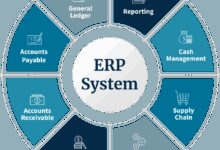
- Financials: General ledger, accounts payable/receivable, financial reporting
- Procurement: Sourcing, purchasing, supplier management
- Project Management: Project costing, billing, resource planning
- Risk Management: Compliance, audit management, controls
- Enterprise Performance Management (EPM): Budgeting, forecasting, planning
Each component can be implemented independently or as part of a full-suite rollout, depending on business needs.
2. The Oracle ERP Cloud Implementation Lifecycle
A successful Oracle ERP Cloud implementation follows a structured lifecycle. Oracle recommends the Oracle Unified Method (OUM), a flexible framework that adapts to project size and complexity. This lifecycle ensures alignment between business goals and technical execution.
Phase 1: Project Initiation and Planning
This phase sets the foundation. It involves defining project scope, objectives, timelines, budget, and team structure. A clear project charter is essential.
- Identify key stakeholders (CFO, CIO, process owners)
- Define success metrics (e.g., reduced close time, improved compliance)
- Select implementation partners or consultants
Skipping proper planning is the #1 reason for ERP project failure. According to Gartner, over 50% of ERP implementations exceed budget or timeline due to poor initial planning.
Phase 2: Business Process Analysis and Design
Before configuring the system, you must understand your current (“as-is”) processes and design future (“to-be”) workflows. This phase involves:
- Process mapping workshops with department leads
- Gap analysis between current processes and Oracle’s best practices
- Decision-making on process standardization vs. customization
Oracle provides Process Reference Models (PRMs) that outline industry-standard workflows. Leveraging these accelerates design and ensures alignment with Oracle’s built-in functionality.
Phase 3: System Configuration and Customization
This is where the technical work begins. Based on the design, the system is configured using Oracle’s setup guides and tools.
- Define chart of accounts, ledgers, and organizational structure
- Set up approval workflows, security roles, and user access
- Customize forms, reports, and dashboards (if necessary)
While Oracle ERP Cloud is designed to minimize customization, some organizations require extensions. However, excessive customization can complicate upgrades and increase maintenance costs.
Phase 4: Data Migration and Integration
Data is the lifeblood of any ERP system. This phase involves extracting data from legacy systems, cleansing it, and loading it into Oracle ERP Cloud.
- Master data (customers, suppliers, items)
- Transactional data (open invoices, purchase orders)
- Historical data (prior year financials)
Oracle provides File-Based Data Import (FBDI) and Web Services for data migration. Third-party tools like Dell Boomi or MuleSoft can simplify integration with non-Oracle systems.
Phase 5: Testing and Validation
Testing ensures the system works as designed. This includes:
- Unit Testing: Validate individual configurations
- Integration Testing: Ensure modules work together
- User Acceptance Testing (UAT): End-users validate real-world scenarios
Defects are logged and resolved before moving to production. A well-documented test plan is critical for success.
Phase 6: Training and Change Management
Even the best system fails if users don’t adopt it. Training ensures smooth transition and reduces resistance.
- Role-based training (finance, procurement, project managers)
- Training materials (videos, quick reference guides)
- Super users and help desk support
Change management addresses the human side of transformation. Communicate benefits, involve users early, and celebrate milestones.
Phase 7: Go-Live and Post-Implementation Support
The go-live is not the end—it’s the beginning of operational use. This phase includes:
- Final data cutover and system freeze
- Monitoring performance and resolving issues
- Post-go-live support (hypercare period)
Oracle offers Cloud Customer Connect and My Oracle Support (MOS) for ongoing assistance. Most organizations allocate 4–6 weeks of hypercare support.
3. Common Challenges in Oracle ERP Cloud Implementation
Despite its benefits, Oracle ERP Cloud implementation isn’t without hurdles. Recognizing these challenges early can prevent costly delays.
Data Quality and Migration Issues
Poor data quality is a major roadblock. Incomplete, duplicate, or inconsistent data from legacy systems can derail migration.
- Conduct data profiling before migration
- Establish data governance policies
- Use data cleansing tools before import
According to IBM, poor data quality costs U.S. businesses over $3 trillion annually. In ERP projects, this translates to extended timelines and failed UAT.
Resistance to Change
Employees often resist new systems due to fear of job loss, unfamiliarity, or perceived complexity.
- Involve end-users in design workshops
- Communicate benefits clearly (e.g., less manual work)
- Appoint change champions in each department
“Technology is easy to implement; people are hard.” — John P. Kotter, Change Management Expert
Scope Creep and Timeline Overruns
Uncontrolled changes in requirements during implementation lead to scope creep, budget overruns, and missed deadlines.
- Define a clear scope baseline
- Use a formal change control process
- Prioritize must-have vs. nice-to-have features
Agile methodologies can help manage scope by delivering functionality in sprints, but they require disciplined backlog management.
4. Best Practices for Successful Oracle ERP Cloud Implementation
Following industry best practices significantly increases the chances of a smooth and successful Oracle ERP Cloud implementation.
Start with a Clear Business Case
Define why you’re implementing Oracle ERP Cloud. Is it to improve financial reporting? Streamline procurement? Support global expansion?
- Quantify expected benefits (e.g., 30% faster month-end close)
- Align the project with strategic business goals
- Secure executive sponsorship
Without a strong business case, it’s difficult to justify investment and maintain momentum.
Leverage Oracle’s Best Practices
Oracle ERP Cloud is built on decades of industry expertise. Instead of reinventing the wheel, adopt Oracle’s pre-configured processes.
- Use Oracle’s Ready Now packages for rapid deployment
- Follow Oracle Application Implementation Cloud Service (OAICS) guidelines
- Participate in Oracle’s Customer Success Program
Customization should be a last resort. The more you align with standard functionality, the easier upgrades and support become.
Invest in Change Management
Technical success means nothing without user adoption. A structured change management plan is non-negotiable.
- Develop a communication strategy
- Train early and often
- Measure adoption through usage analytics
Prosci’s ADKAR model (Awareness, Desire, Knowledge, Ability, Reinforcement) is widely used in ERP transformations.
oracle erp cloud implementation – Oracle erp cloud implementation menjadi aspek penting yang dibahas di sini.
Choose the Right Implementation Partner
Not all consultants are created equal. Select a partner with proven Oracle Cloud experience.
- Check certifications (Oracle PartnerNetwork)
- Review case studies and client references
- Ensure they have functional and technical expertise
Firms like Deloitte, Accenture, and KPMG have deep Oracle practices, but boutique firms may offer more personalized service.
5. Oracle ERP Cloud Implementation Costs and ROI
Understanding the financial aspects of Oracle ERP Cloud implementation is crucial for budgeting and justifying investment.
What Does Oracle ERP Cloud Cost?
Oracle ERP Cloud is licensed on a subscription basis, typically per user per month. Pricing varies by module, number of users, and region.
- Financials: ~$120–$180/user/month
- Procurement: ~$80–$120/user/month
- Project Management: ~$100–$150/user/month
- Implementation Services: $150k–$2M+ depending on scope
Additional costs include data migration, integration, training, and change management. Oracle provides a Cloud Pricing Calculator for estimates.
Calculating Return on Investment (ROI)
ROI isn’t just about cost savings—it’s about business value. Key ROI drivers include:
- Faster financial close (reduced manual effort)
- Better decision-making with real-time reporting
- Improved compliance and audit readiness
- Increased employee productivity
A study by Nucleus Research found that Oracle ERP Cloud delivers an average ROI of 184% over three years, with a payback period of 14 months.
Hidden Costs to Watch For
Some costs aren’t obvious upfront:
- Custom development and extensions
- Third-party integration tools
- Post-go-live support and optimization
- Training for new hires
Always build a contingency budget (10–15%) to cover unexpected expenses.
6. Integration and Scalability in Oracle ERP Cloud Implementation
Oracle ERP Cloud doesn’t operate in isolation. It must integrate with other systems—HCM, CRM, supply chain, and legacy apps.
Native Integration with Oracle Cloud Ecosystem
Oracle ERP Cloud works seamlessly with other Oracle Cloud applications:
- Oracle HCM Cloud: Employee data sync, payroll integration
- Oracle SCM Cloud: Order-to-cash, inventory, logistics
- Oracle CX Cloud: Sales, service, marketing alignment
This tight integration reduces data silos and ensures consistency across business functions.
Third-Party and Legacy System Integration
Most organizations have non-Oracle systems (e.g., SAP, Salesforce, custom apps). Integration options include:
- REST/SOAP APIs: For real-time data exchange
- Oracle Integration Cloud (OIC): Pre-built adapters and workflow automation
- Middleware platforms: MuleSoft, Dell Boomi, Informatica
Oracle’s Integration Cloud simplifies connectivity and reduces development time.
Scalability and Future-Proofing
One of the biggest advantages of Oracle ERP Cloud implementation is scalability. As your business grows, the system scales with you.
- Add new users, entities, or modules with minimal effort
- Support global expansion with multi-language, multi-currency
- Leverage AI and machine learning features as they’re released
Unlike on-premise systems, there’s no need for hardware upgrades—Oracle handles infrastructure scaling automatically.
7. Measuring Success After Oracle ERP Cloud Implementation
Go-live is just the beginning. True success is measured by sustained usage, performance, and business outcomes.
Key Performance Indicators (KPIs) to Track
Define KPIs during the planning phase and monitor them post-implementation.
- Month-end close time (target: reduce by 30–50%)
- User adoption rate (target: >80% active users)
- Invoice processing time (target: reduce by 40%)
- System uptime and performance (target: 99.5%+)
- Reduction in manual journal entries
Oracle Analytics and ERP Cloud dashboards provide real-time visibility into these metrics.
Continuous Improvement and Optimization
ERP is not a one-time project. Regular optimization ensures ongoing value.
- Conduct quarterly business reviews
- Identify process bottlenecks
- Adopt new Oracle features (e.g., AI-based forecasting)
- Refine reports and dashboards
Oracle releases updates quarterly, so staying current is essential.
User Feedback and Support
Listen to users. Their feedback is invaluable for improvement.
- Run post-implementation surveys
- Host user group meetings
- Maintain a help desk or support portal
High user satisfaction correlates strongly with long-term ERP success.
What is Oracle ERP Cloud implementation?
Oracle ERP Cloud implementation is the process of deploying Oracle’s cloud-based enterprise resource planning system into an organization. It includes planning, configuring, migrating data, testing, training, and going live, with the goal of improving financial management, procurement, and operational efficiency.
How long does Oracle ERP Cloud implementation take?
Implementation timelines vary based on scope. A single module (e.g., Financials) can take 3–6 months, while a full-suite rollout may take 9–18 months. Factors like data complexity, customization, and organizational readiness impact duration.
Can Oracle ERP Cloud integrate with other systems?
Yes. Oracle ERP Cloud integrates with other Oracle Cloud apps (HCM, SCM) via native connectors and with third-party systems using APIs, Oracle Integration Cloud (OIC), or middleware platforms like MuleSoft and Dell Boomi.
Is Oracle ERP Cloud secure?
Yes. Oracle ERP Cloud is built with enterprise-grade security, including encryption, identity management, compliance certifications (SOC, ISO, GDPR), and regular security updates managed by Oracle.
What are the main benefits of Oracle ERP Cloud implementation?
Key benefits include faster financial close, real-time reporting, reduced IT costs, global compliance, scalability, and improved decision-making through AI-driven insights.
Oracle ERP Cloud implementation is a transformative journey that can redefine how your organization operates. From understanding the core components to navigating challenges and measuring long-term success, a structured approach is essential. By following best practices, investing in change management, and leveraging Oracle’s robust ecosystem, businesses can achieve significant operational and financial gains. The cloud isn’t just the future—it’s the present. Are you ready to make the move?
oracle erp cloud implementation – Oracle erp cloud implementation menjadi aspek penting yang dibahas di sini.
Further Reading:
